
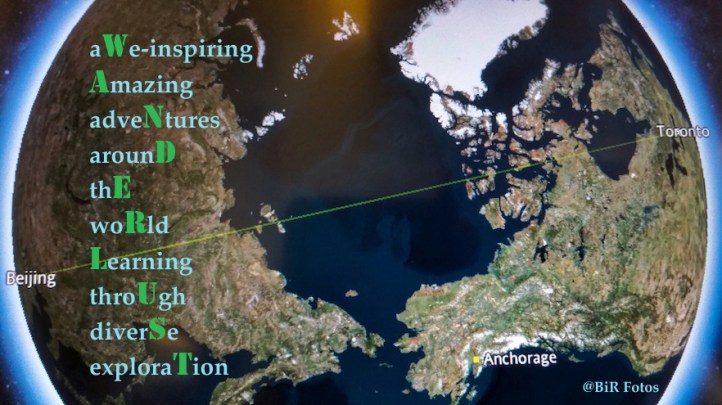
Wanderlust, what a perfect word to describe that intense inner feeling of longing. No other word so succinctly embodies the strong desire to travel the world far and wide.
But what is its origin?
Literally speaking, translated from German, wandern means to hike and Lust means the desire. Put the 2 words together et voilà, the compound word, Wanderlust, is born.
As languages do, English has borrowed and incorporated this German word into its lexicon. It is now so ingrained in the minds of English and other foreign-language speakers that it rolls off the tongue so naturally; it has become the word of choice used by all of us who dream of venturing out to see and experience the world.
Ask avid travellers what propels them to pack their bags to roam the globe for months even years on end, the most common response is simply wanderlust.
While the rest of world still keeps the term wanderlust alive, Germans themselves are using it less frequently opting rather for the latest equally as compelling compound word, Fernweh (fern = distance; weh = hurt). Loosely translated it is the longing to travel to far-off places, so much so that it hurts. Leave it to the Germans to coin new terms to describe this innate and ever-present desire to journey and discover.
Historic significance behind the term wanderlust: it’s more than just a word, it’s a way of life that has been part of the German psyche and their need to explore the great outdoors both at home and beyond their own borders.
For further reading:
Get a glimpse into the “Germans’ insatiable need to roam” (DW, Deutsche Welle).


No matter what it is called, It does hurt and it is an urge.
Having spent time watch in animals, I believe it it and old internal need to migrate
LikeLiked by 1 person